Harmony Breathes Chaos
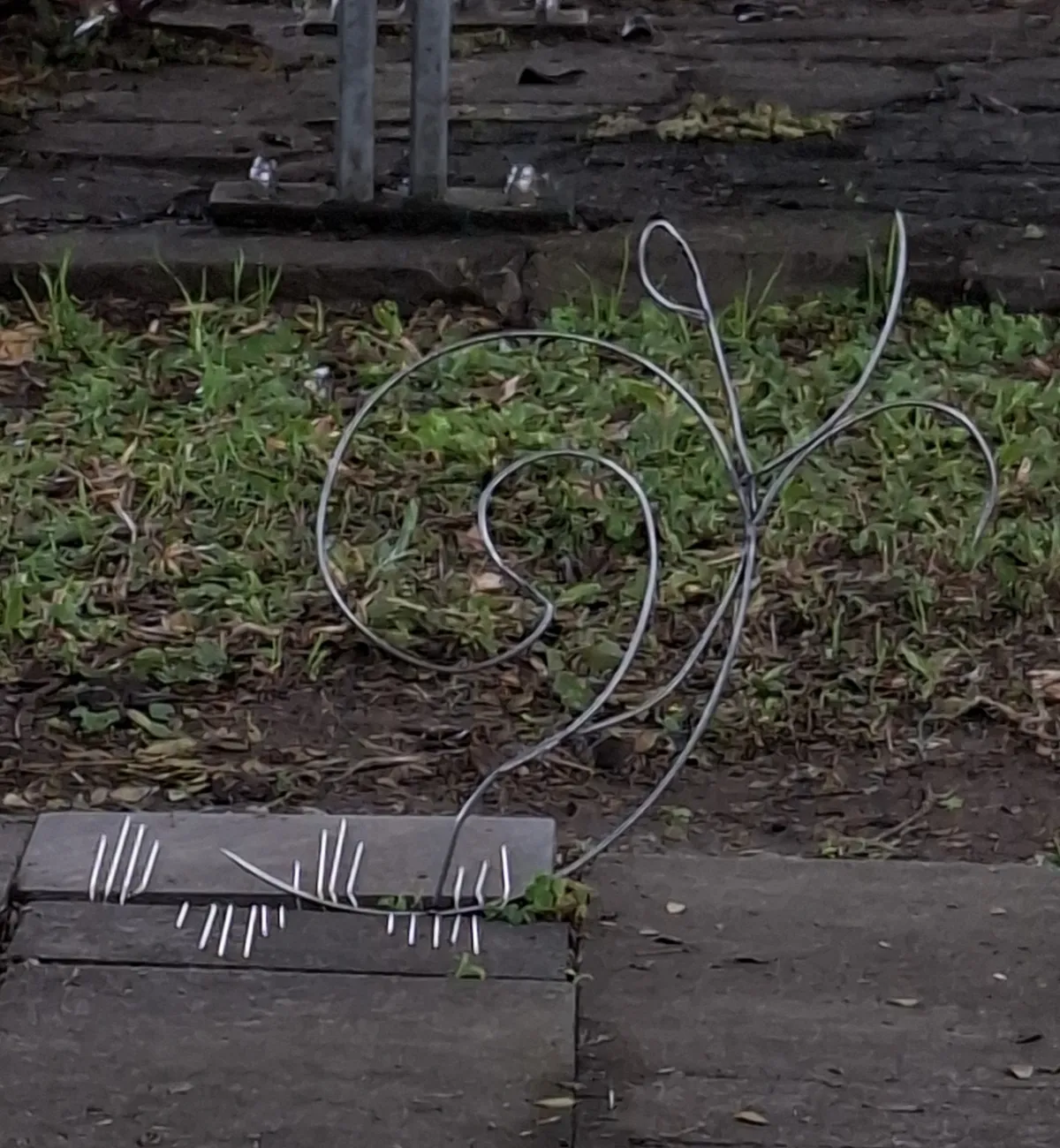
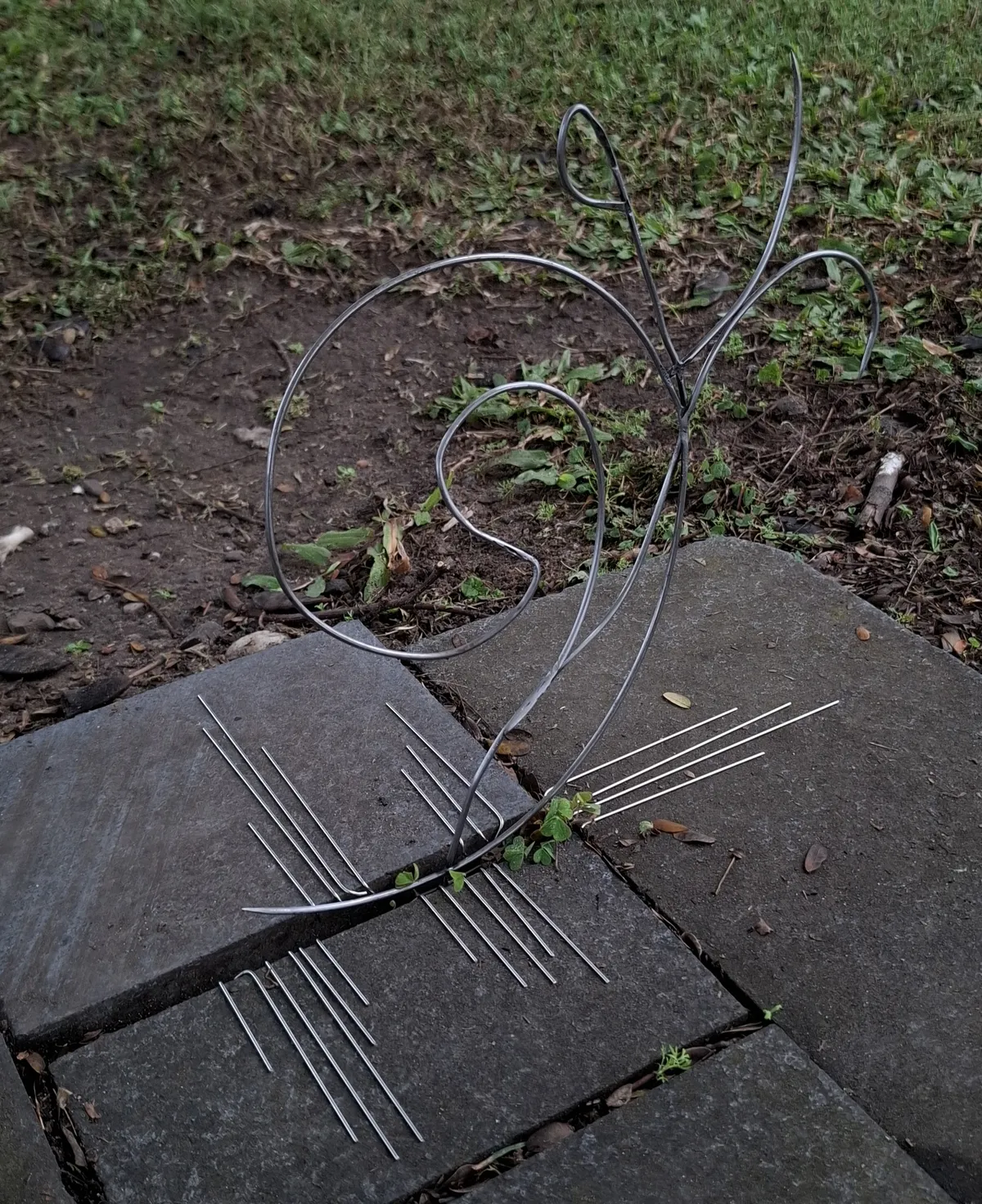
The concept behind this work is shaped by the idea of how nature will always reclaim its space after a period of time left untouched. Nature will prevail
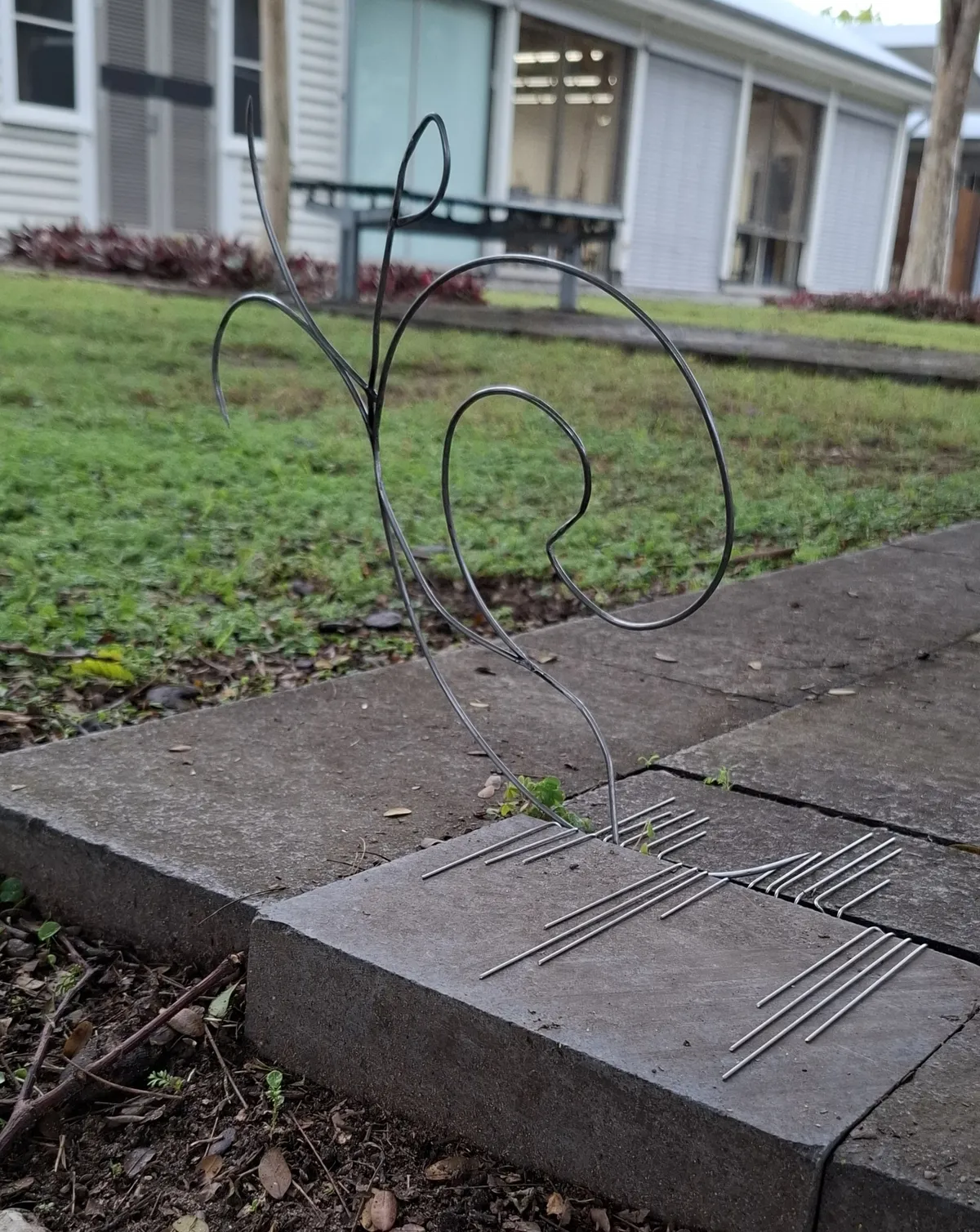
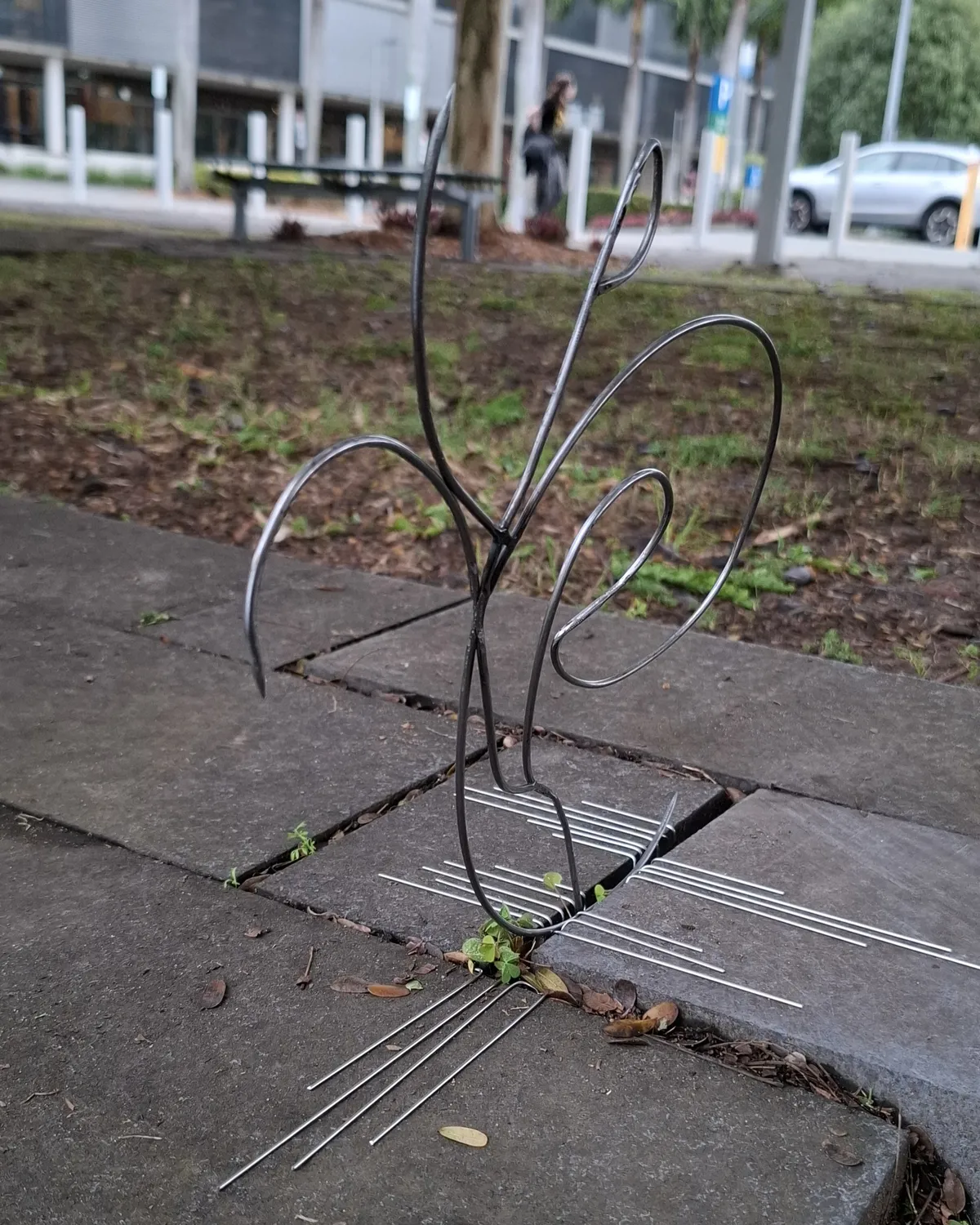
This is highlighted by the tufts of clover growing at the base of the sculpture, allowing for this metal growth to stretch and spiral out of the gap in the concrete tiles. As time moves, it is to be imagined that the piece will keep growing, yet the fixed stature will instead allow a place for nature to thrive. Untouched, the sculpture will provide a safe haven to allow for greenery to grow and climb, with the sharp spikes warning bystanders and animals, "DO NOT TOUCH!"
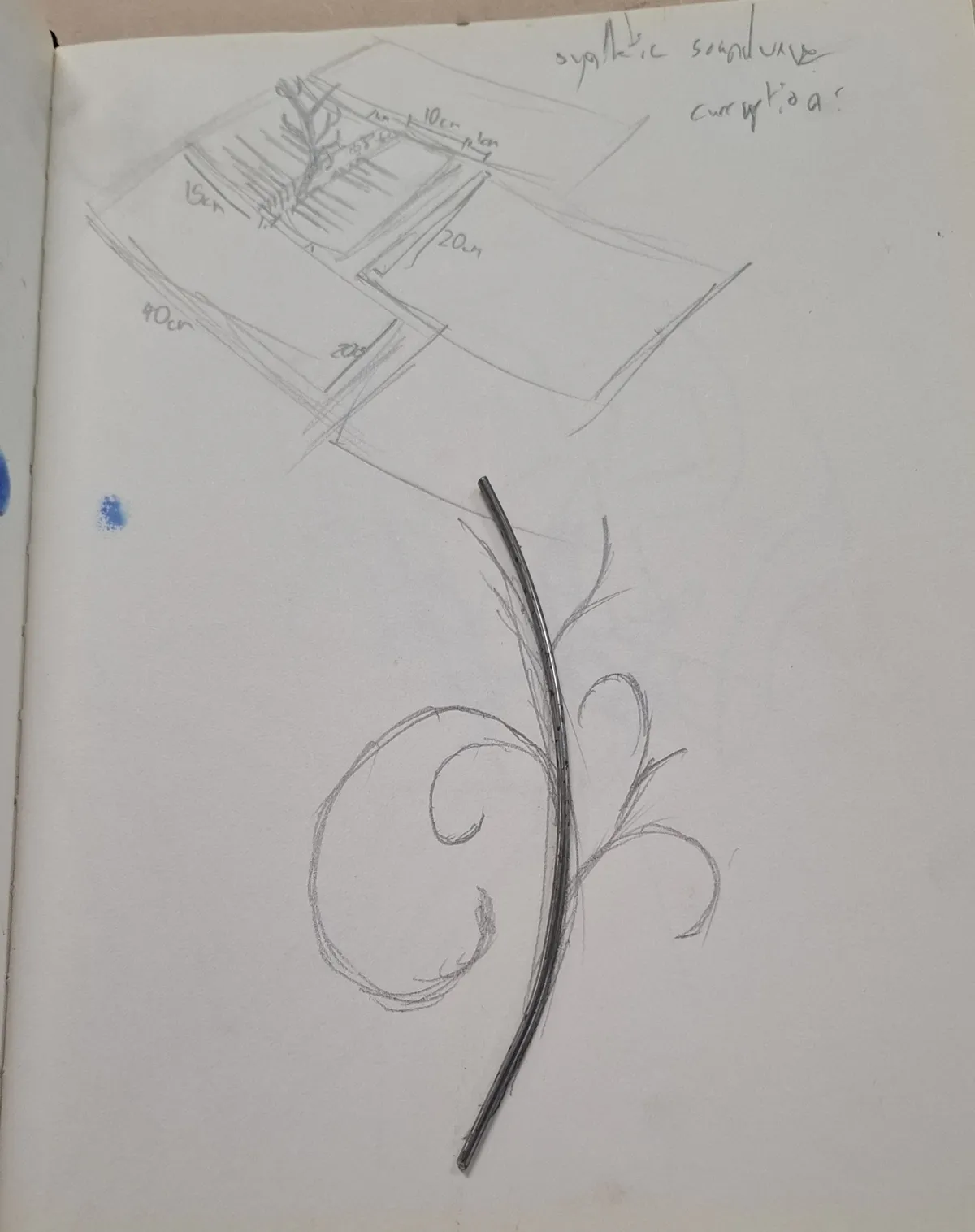
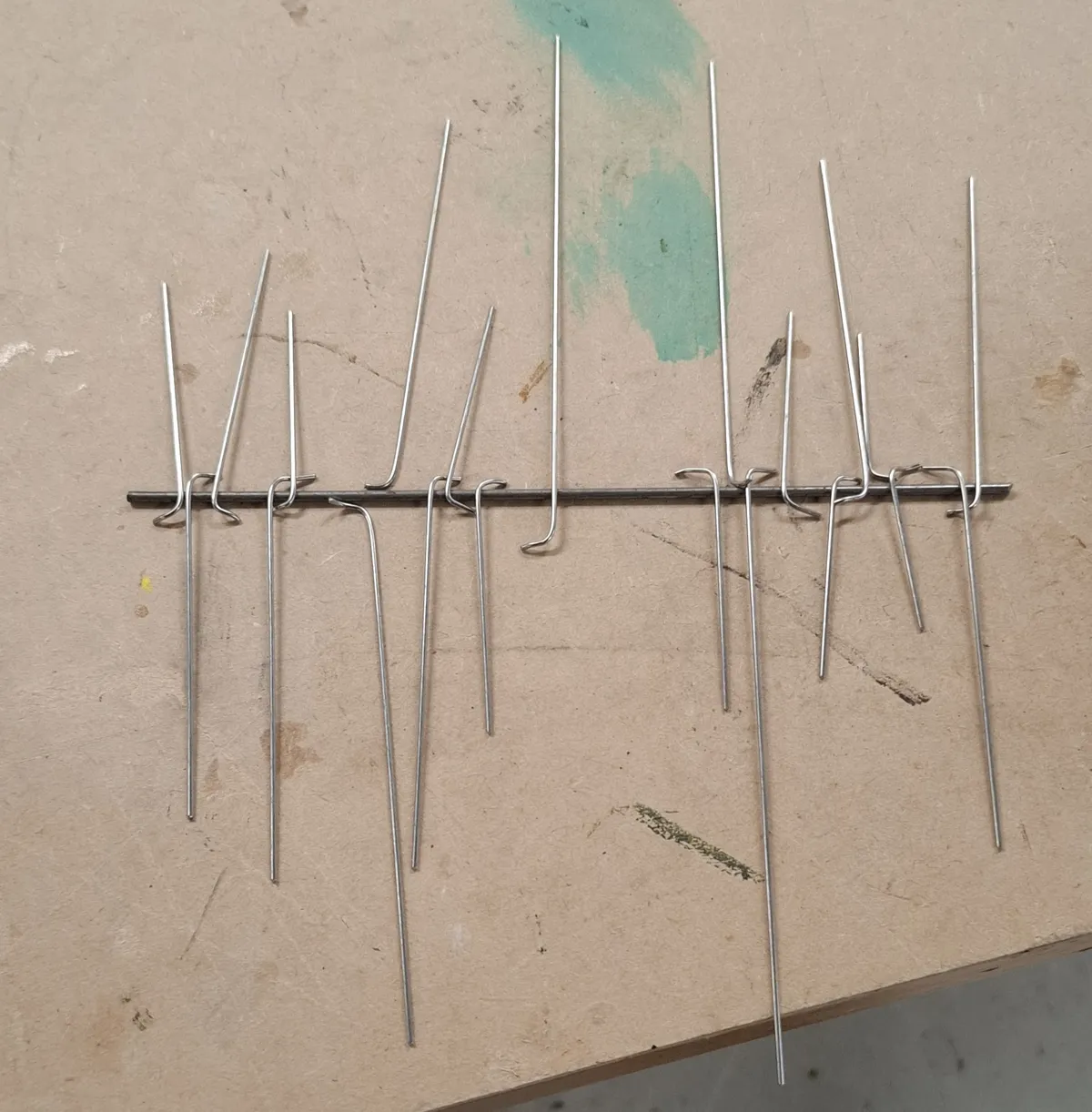
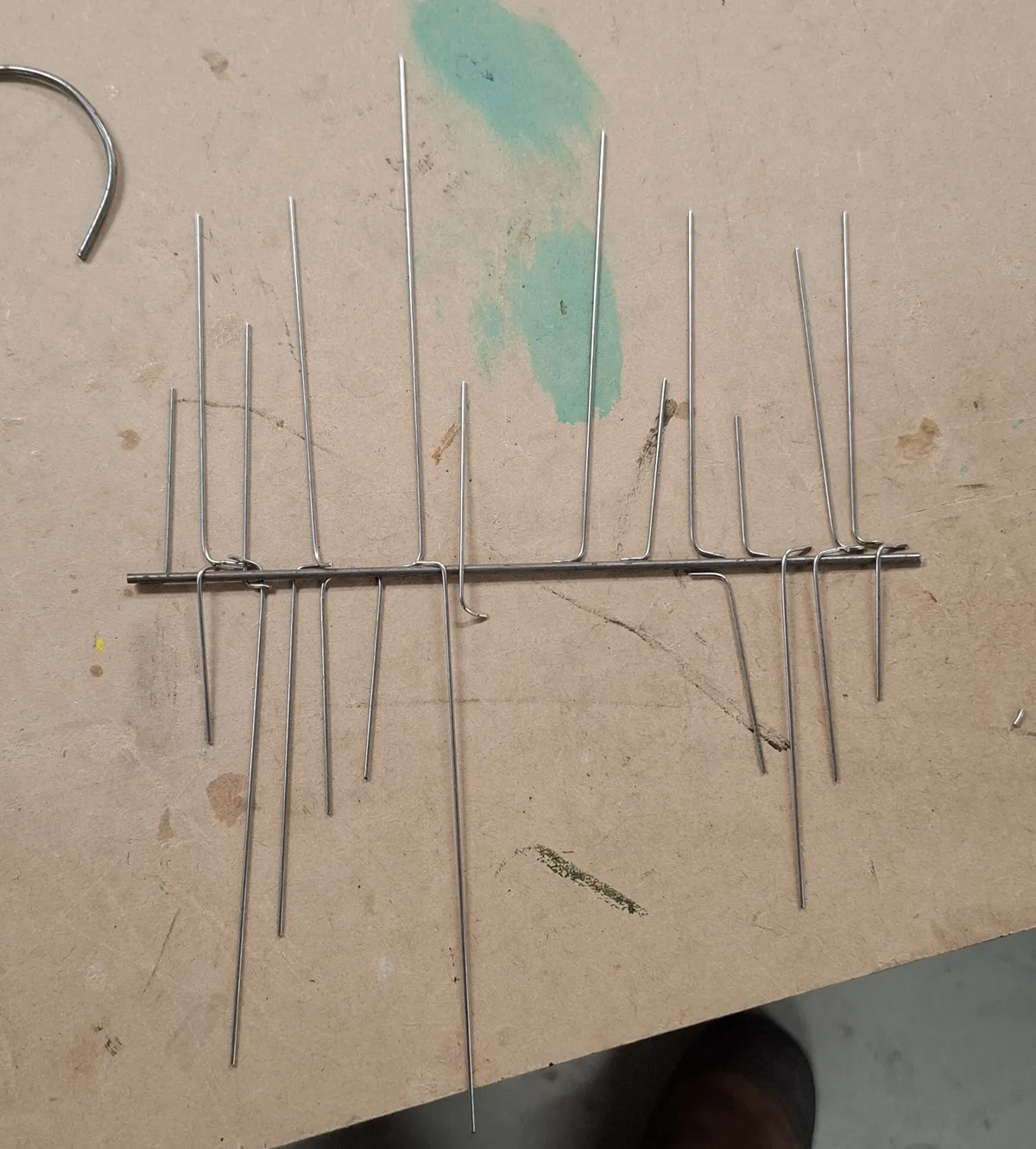
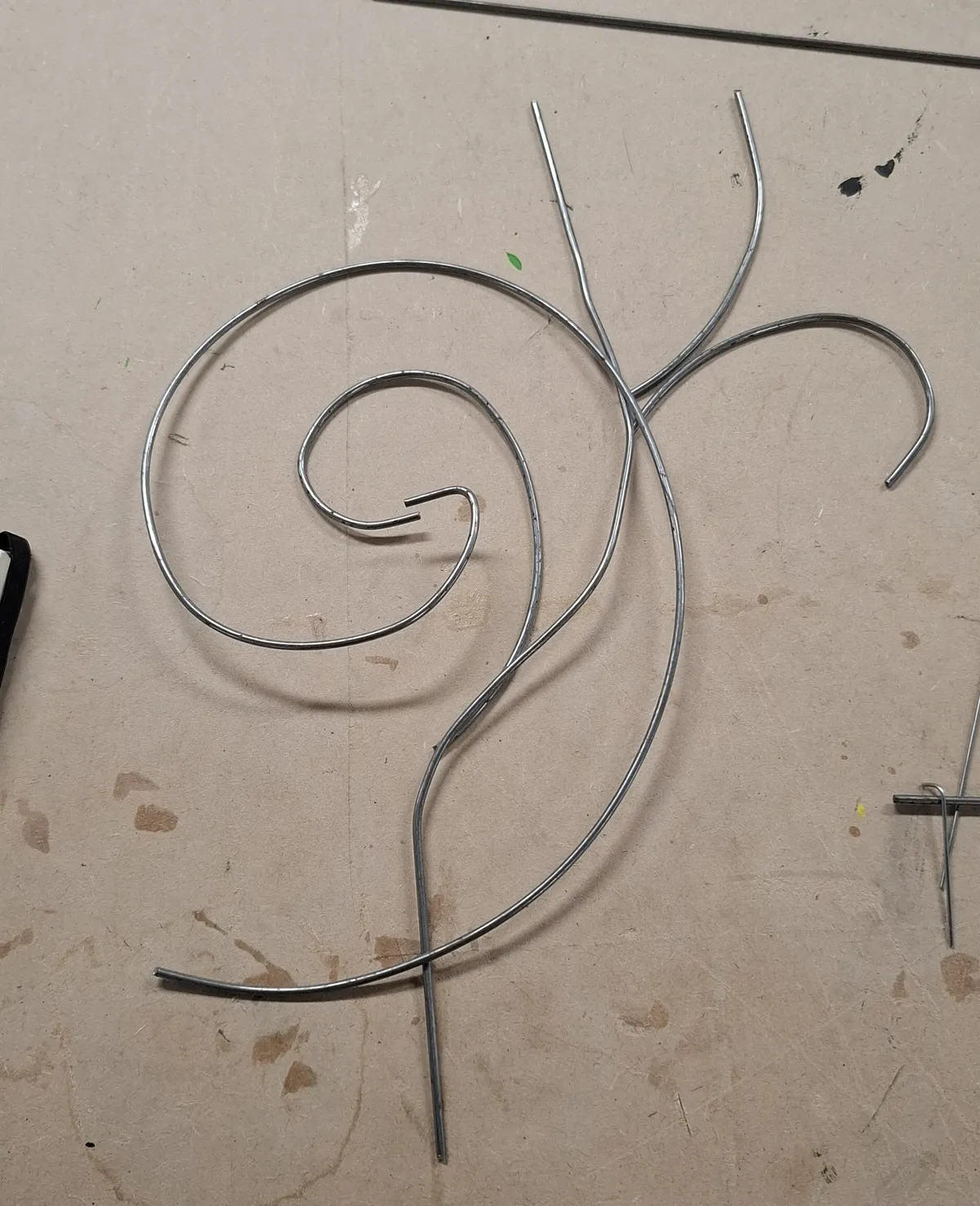
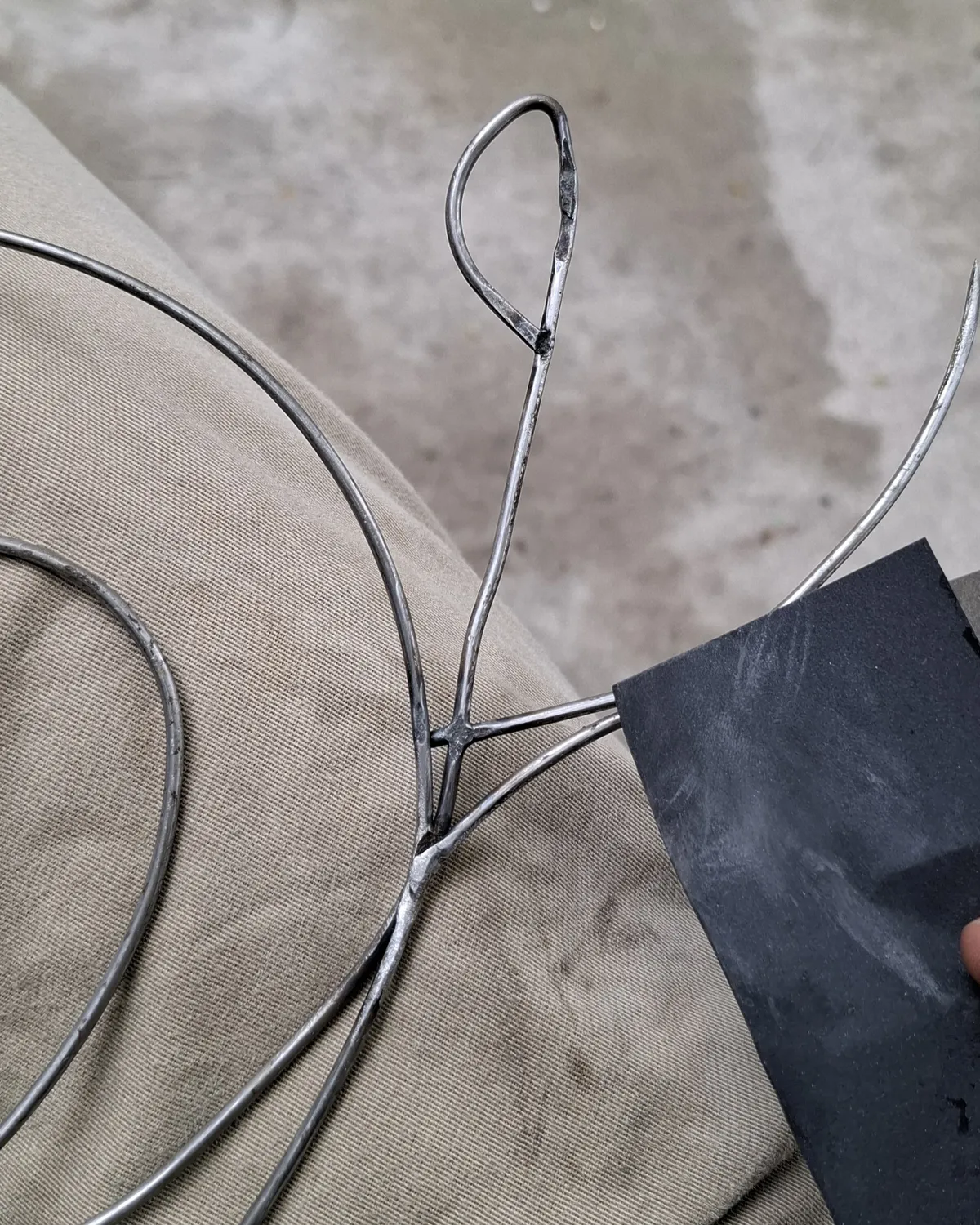
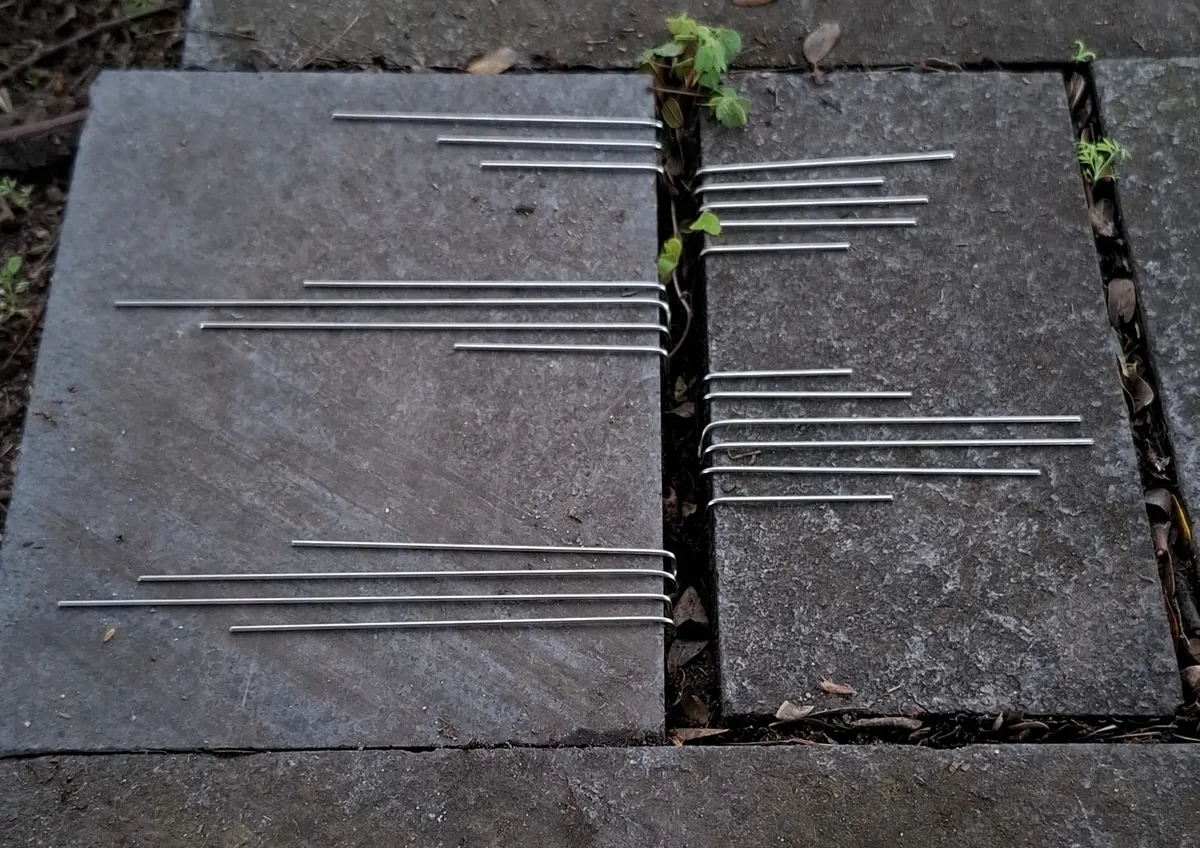
Beyond growth, the shape of the piece holds its symbolic significance; the spiral forms a yin and yang-resembling shape, bringing highlight to the harmony and chaos. The destruction before growth. The curved spikes resemble the destruction, and the growing leaflet on top signifies the hope nature provides. This spiral curvature juxtaposes with the straight sound wave rods that shoot outward from the gap; though straight, they are intentionally placed to form a wave-like shape, yet, as displayed, the rods are not fixed in place, allowing for nature to change and adapt the sculpture as time moves however it sees fit. Truly displaying how, though carefully placed by man, nature will ultimately prevail.
Additionally, the empty space within the metal wires allows for the shape and meaning to change depending on the angle of the viewer. As seen above, Chaos windows to dirt and mud, where the wires almost slash the greenery away, whereas harmony windows to beautiful grass, where the curved spikes highlight the strands of growth. It's only a matter of perspective.
The Creative Process
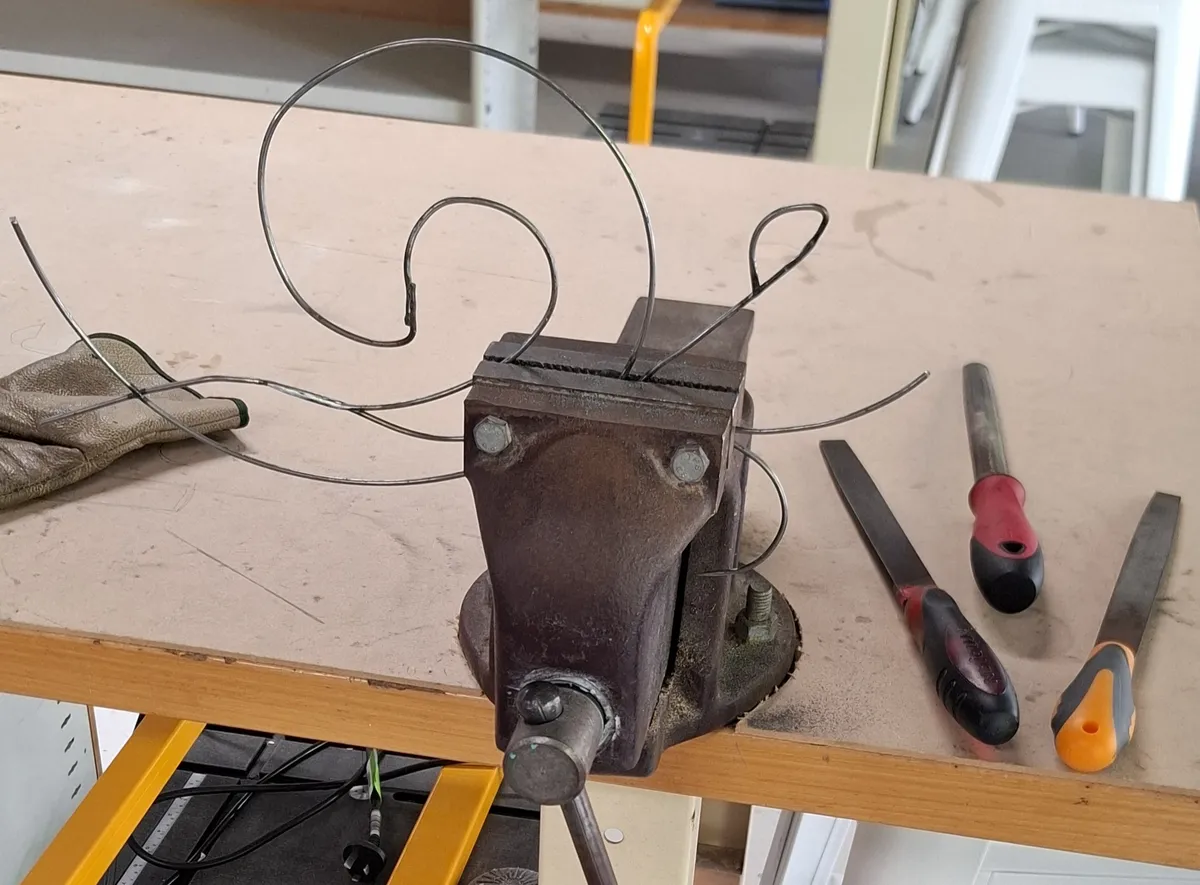
The task for today was to create a sculpture that would interact with the environment, using only the materials given: steel rods and various twines. We were challenged to explore what defines a sculpture/structure and to expand our thought process to push ourselves beyond creating a literal object, explaining that often the more unique the artwork, the more we can talk about it and question it in different ways.
Inherently, I drew straight into the concepts of Duchamp's premades, and how they question what really defines art. This thought process gave me the freedom to simply create. Additionally, after further research, my work draws similarities with the sculptures created by Barbara Hepworth and how she utilises the negative space to change the meaning of her work. 'Two Forms (Divided Circle), 1969' in particular stands out by its similar yin-yang thematics of the piece.
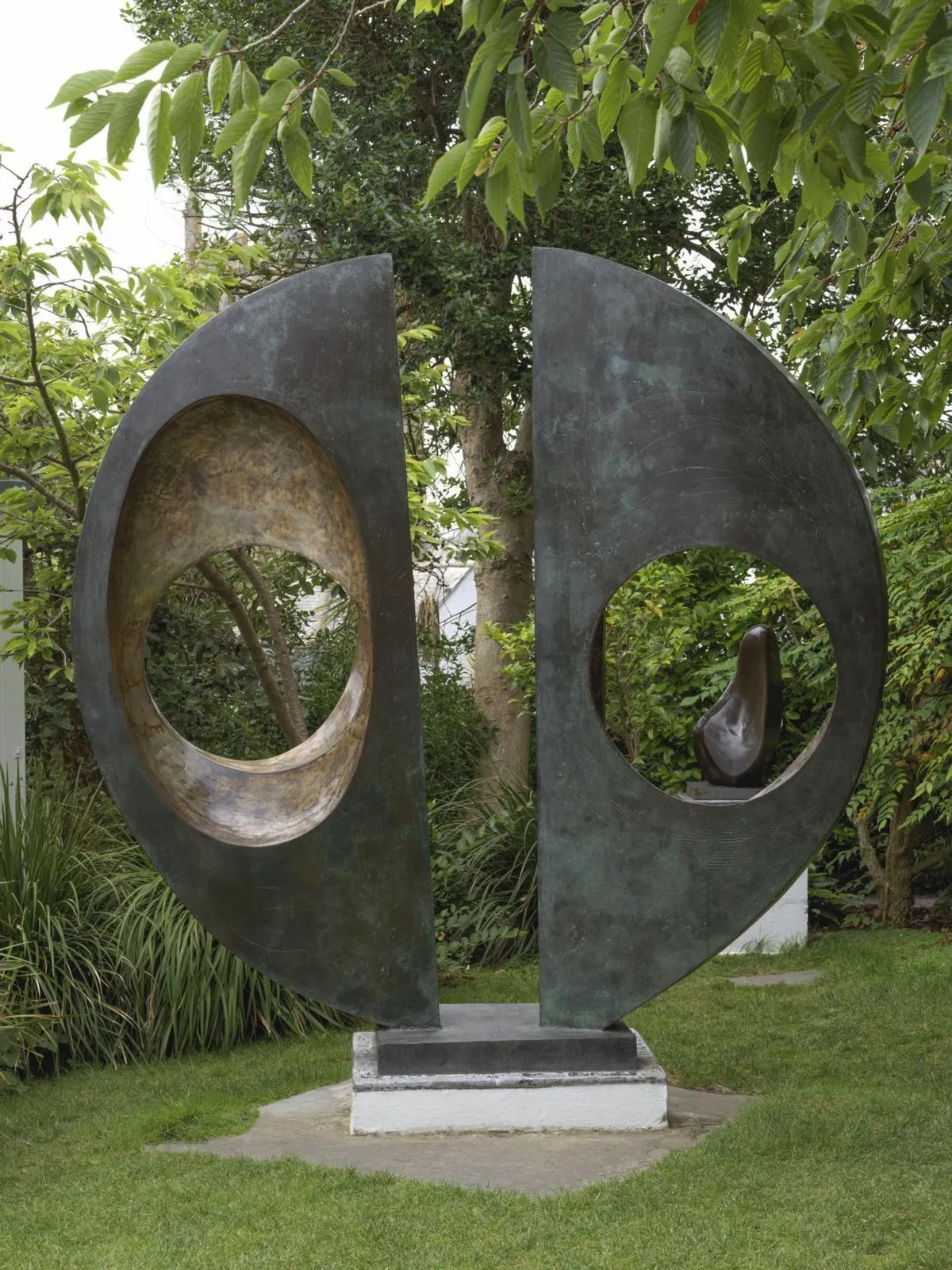 Two Forms (Divided Circle), 1969, Barbara Hepworth
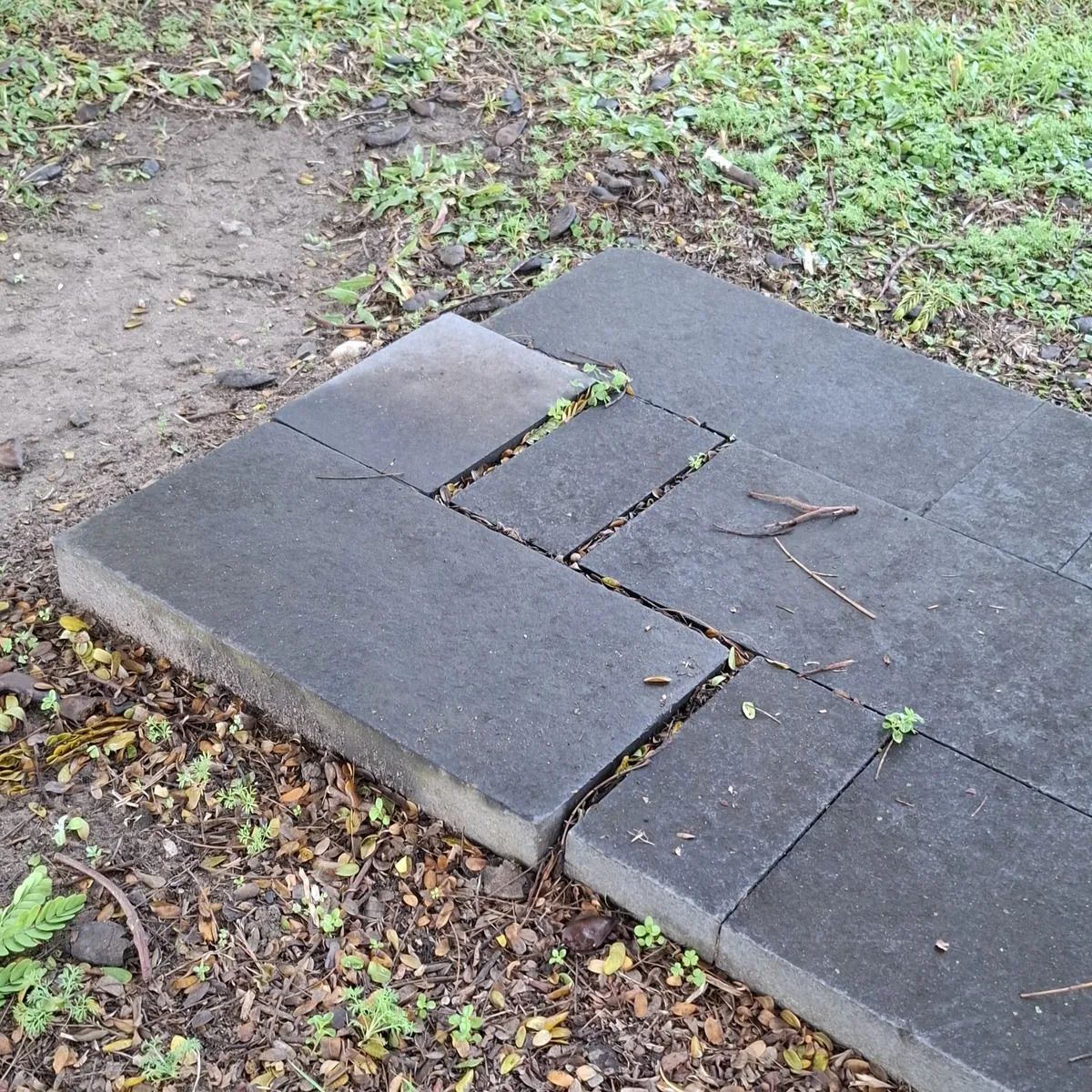
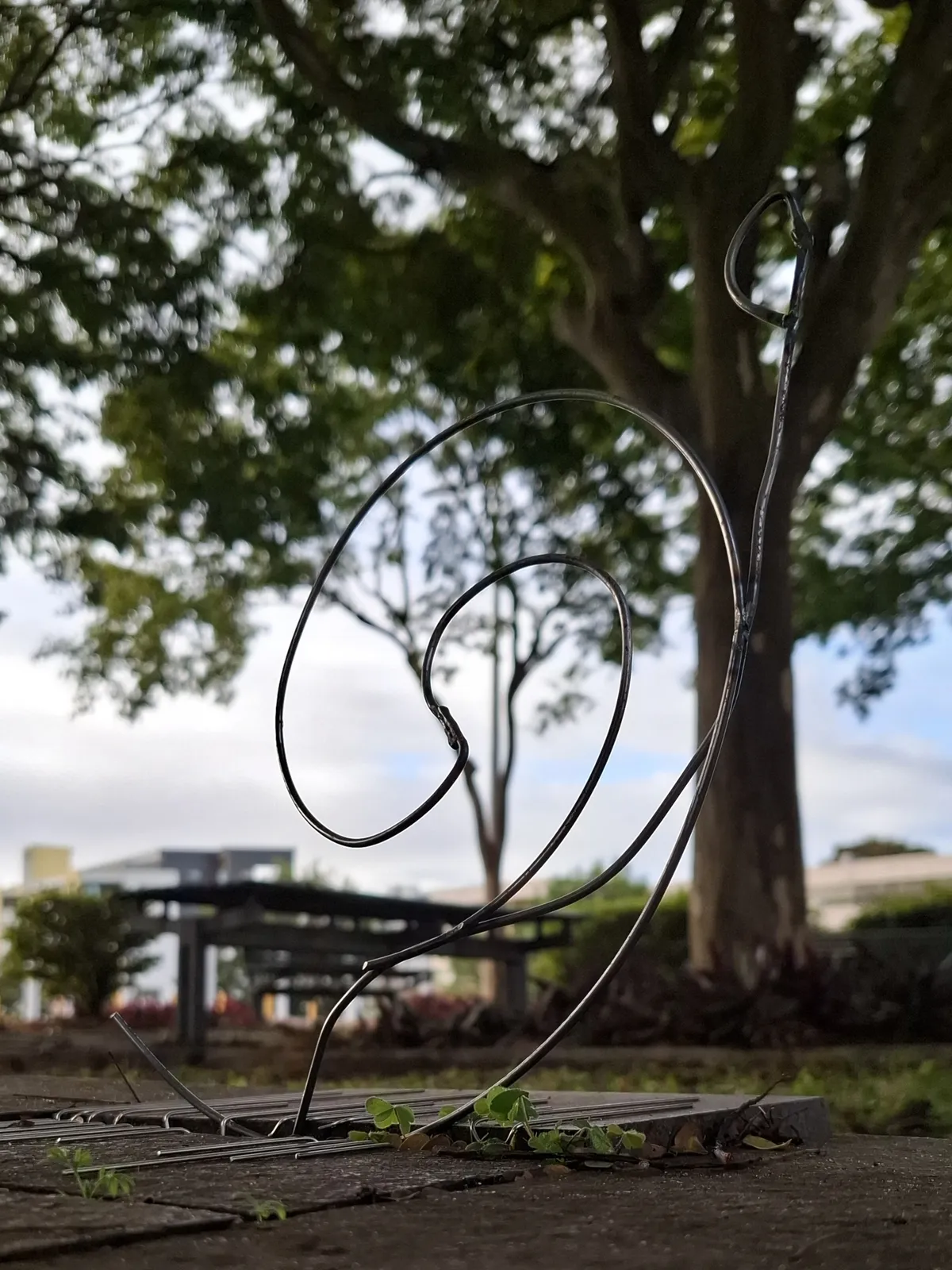
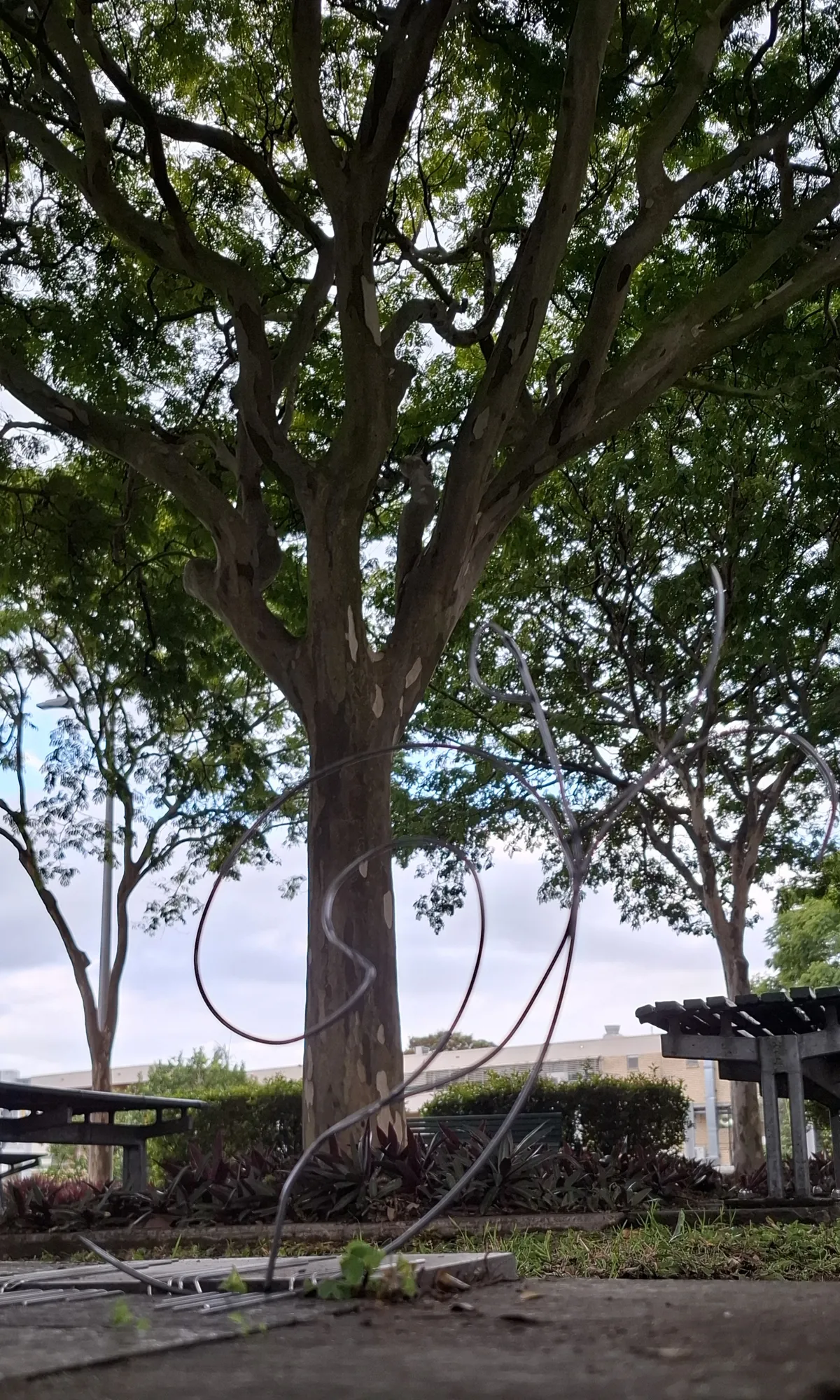
This has got to be one of my favourite photos of the piece! Though unpolished and still more to do after welding and putting most of the piece together, I displayed it to the class, then whilst I was taking photos and wanted to really showcase the clovers, unintentionally Harmony Breathes Chaos aligned perfectly with the background, aligning with the trees as if it is part of nature itself. This is how it BREATHES.
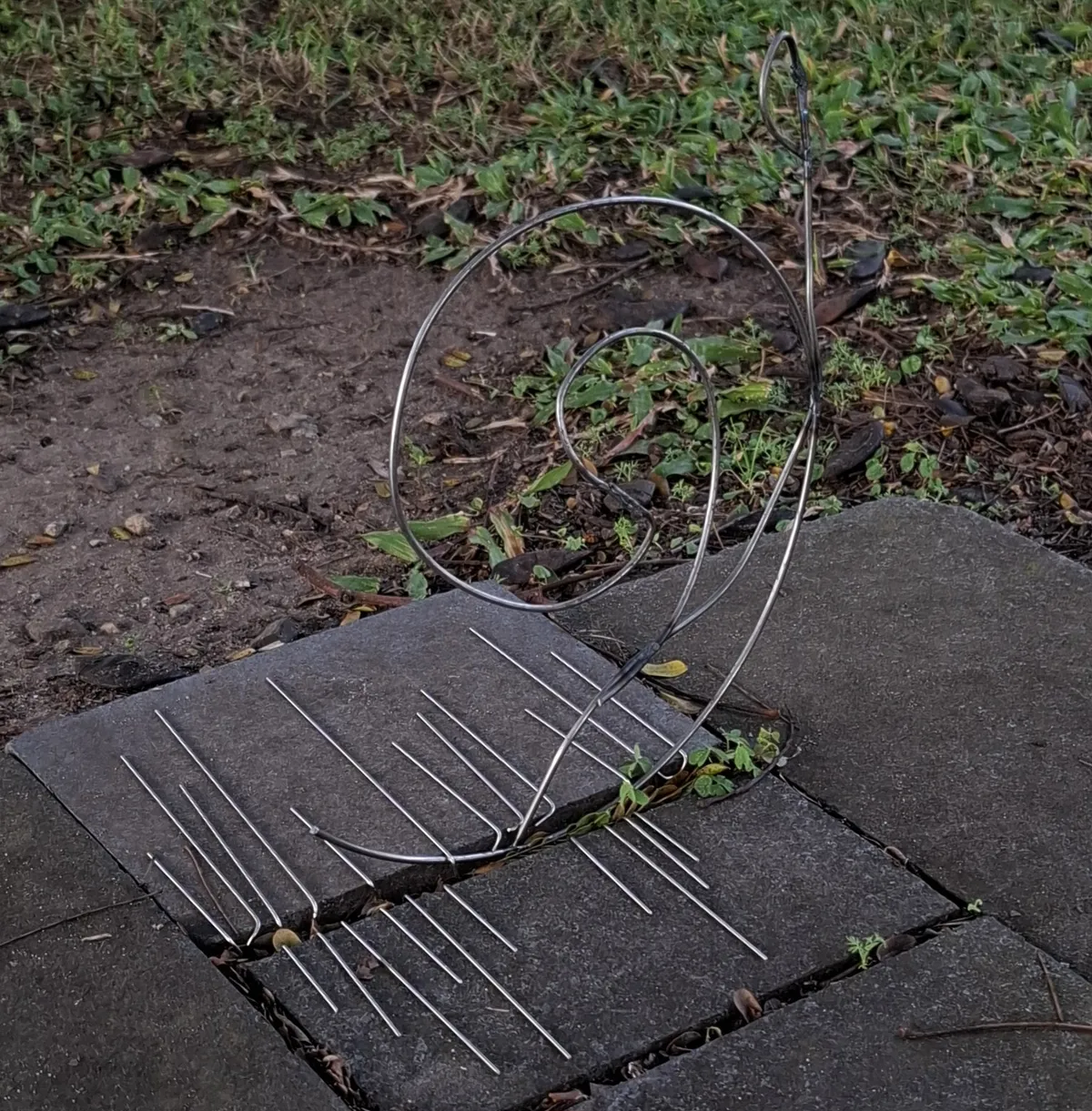
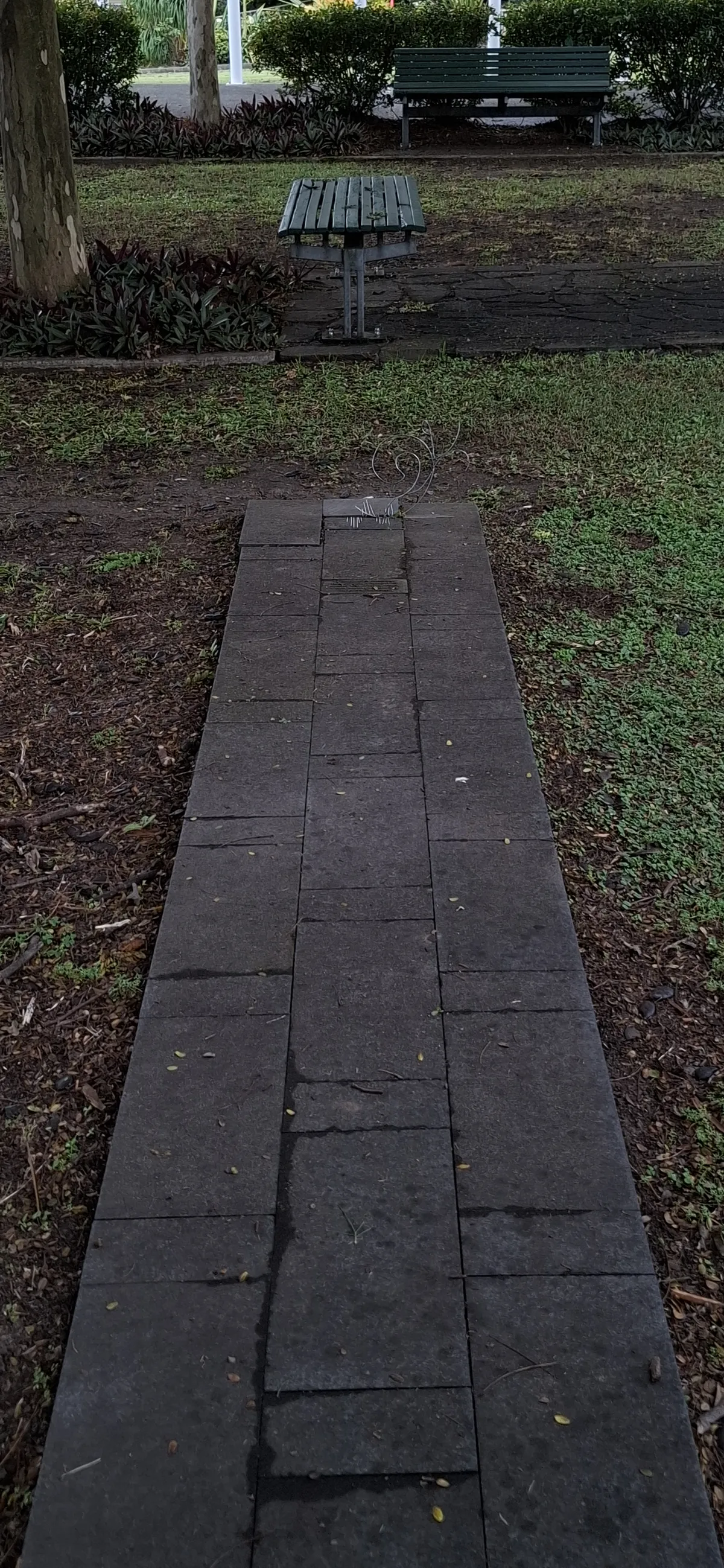
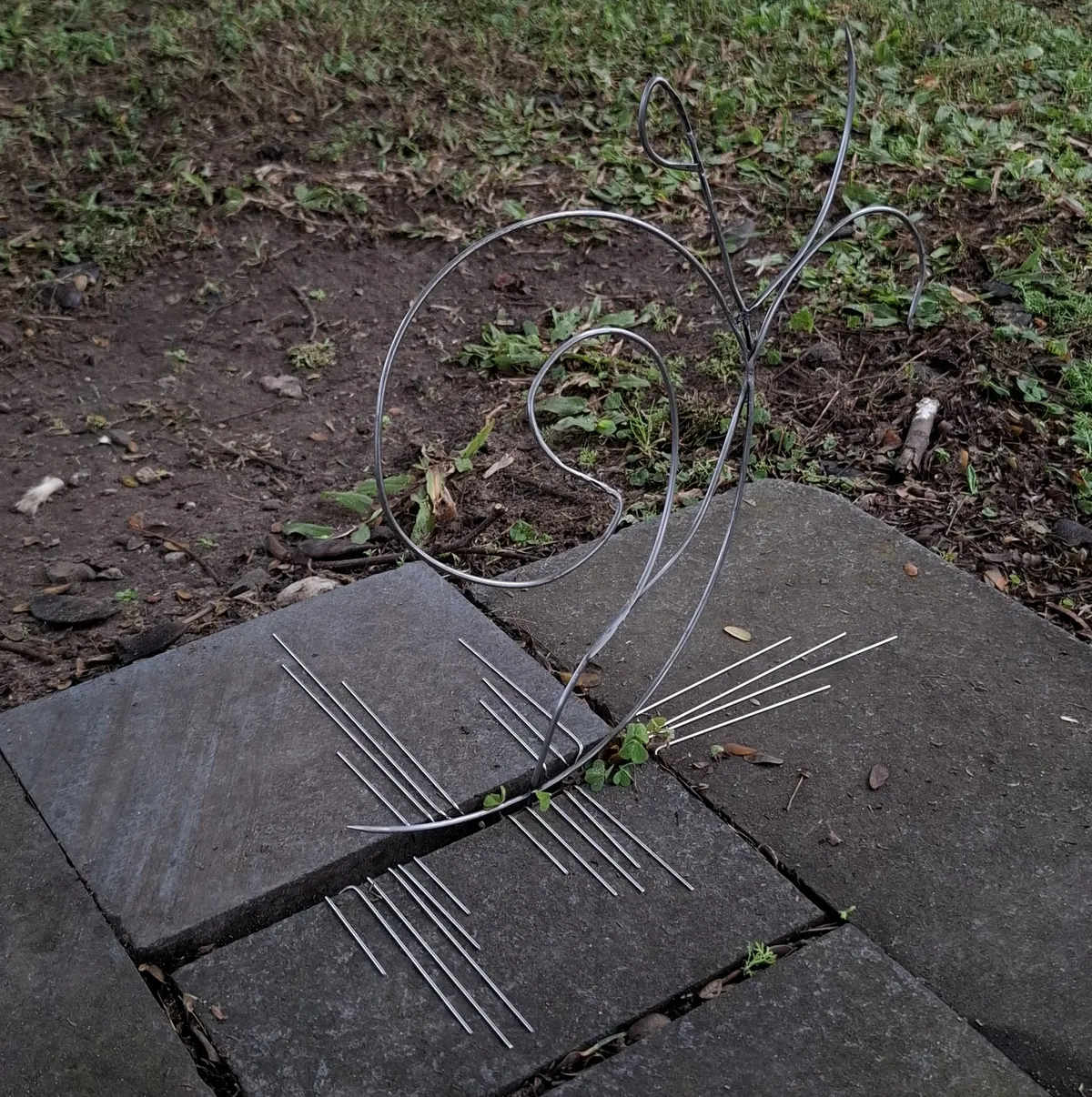
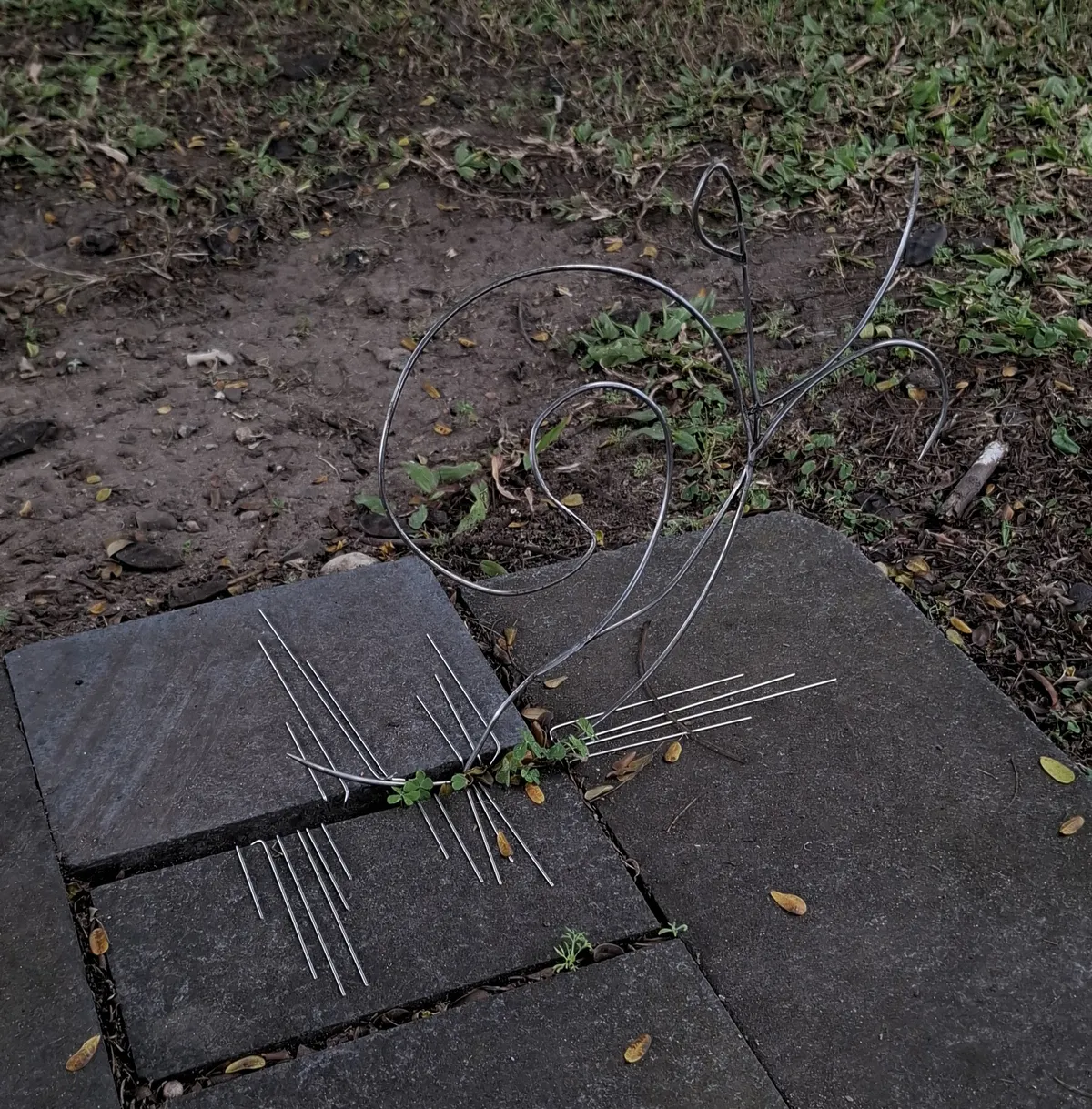
After 1 week, I returned to the sculpture to see how the natural course had already affected it. Instantly, you can see the rods shifted around and foliage taking back its once cleared space, whilst also more clovers have started growing from its base; the sculpture's objective has so far worked. I would be keen to see how it will continue to grow if left untouched. It looks natural; it feels ALIVE.
If you would like to continue next week's post. Week 2 - Muted Mouth